
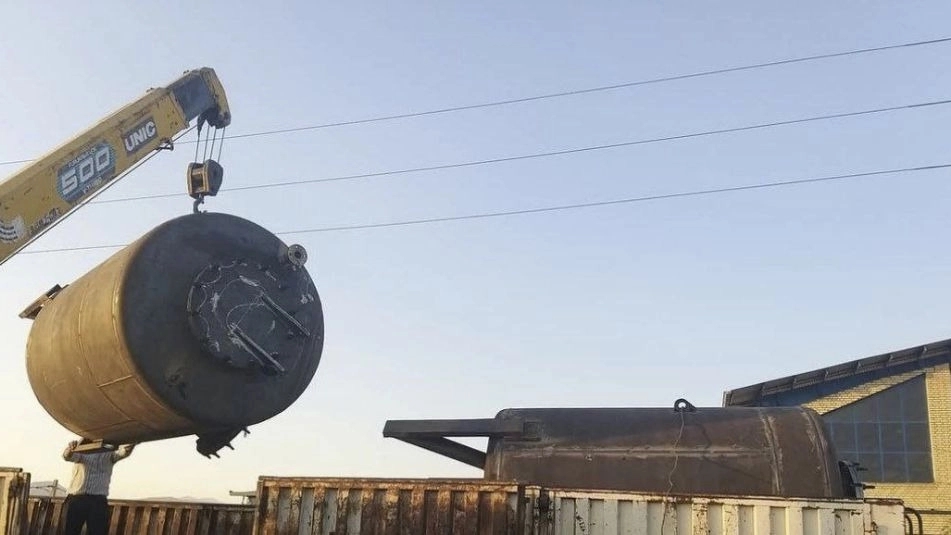
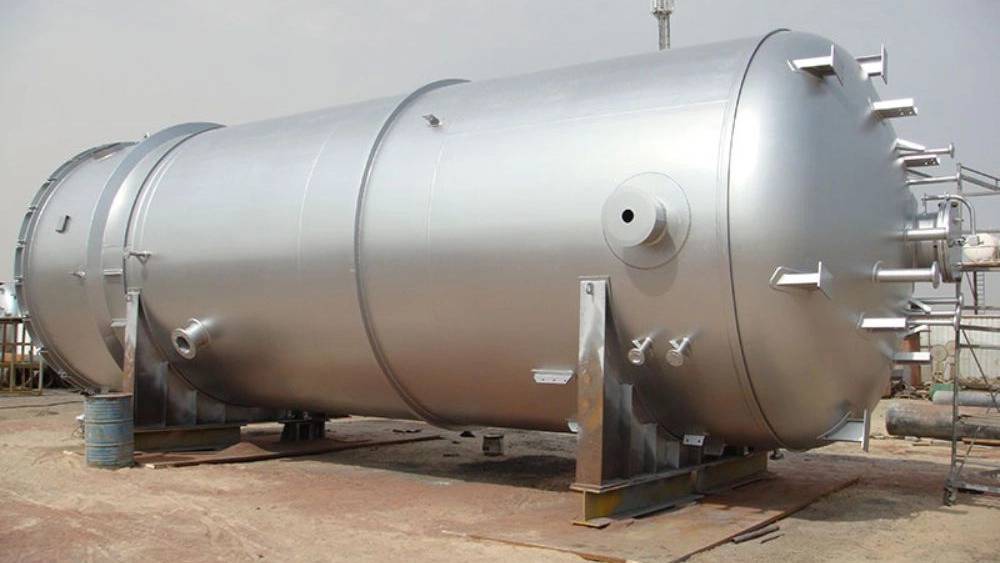
Pressure tanks are one of the types of industrial tanks and an anti -leakage chamber that stores liquid or gas. Pressure tanks are produced in different sizes and shapes for different purposes, and in general, their geometric appearance is spherical, conical and cylindrical.
One of its common models is a combination of a long cylinder with two warheads. Is. Pressure tanks work higher or lower than air pressure. In addition, the operating temperature of these devices is also different.
How does a pressure tank work?
Pressure tanks are designed to work by reaching the level of pressure needed to perform a functional function such as maintaining air in the diving tank. These tanks can apply the pressure directly through the valves and releasing handhelds, or indirectly through heat transfer.
potential pressure levels from 15 psi to about 15,000 000/150, while The temperature is often over 400 degrees Celsius (750 degrees Fahrenheit). A pressure tank can accommodate from 75 liters (20 gallons) to several thousand liters.
Using pressure tanks in industry
Oil and Gas Industry
In the oil and gas industry, a pressure tank is often used as a receiver where physical and chemical processes are performed at high temperatures and pressure.
Chemical Industries
In a pressure tank in the chemical industry, a process (chemical reaction) is performed that leads to a major change in The content of the container becomes the container. Requires pressure. One of the main reasons they needed in the energy sector is the presence of harmful gases. Nuclear power plants also use special pressure tanks called reactor pressure tanks (RPVS)
Types of pressure tanks
Process Tanks
Process tanks (tankers) are designed to store and store liquids and are used for integrated operations in petrochemical facilities, refineries, gas factories, oil and gas production facilities and other facilities
Autoclaves
Autoclaves are large -pressure containers and reach high temperatures . They are usually cylindrical because the spherical shape can better withstand high stress safely. Autoclaves are designed to store equipment that are placed inside and then the door is sealed.
High -voltage tanks
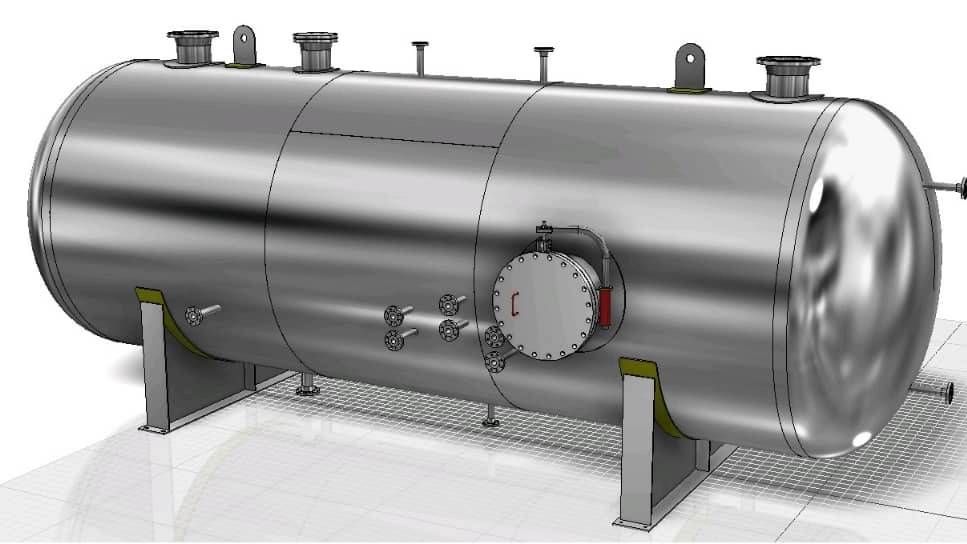
High -pressure tanks are the most durable tanks in the markets that continue to operate under the heaviest loads and have the best resistance to corrosion, temperature and pressure. These tanks are usually made of stainless steel. Common functions for high -pressure tank include high -speed mixers, chemical reactors, and super -critical extraction devices.
Expansion tanks To adjust changes in hot water levels in heating machines and changes in water flow rate and static pressure maintenance produced by the pump level in the surface of the hot water machine.
is a device that transmits heat from one device to another. Most heat exchangers are used in industrial installations such as iron and steel, oil, petrochemical, gas, power plants, food, pharmaceuticals, leather, textiles, air conditioning, ships and marine industries.
Standard welding tank under pressure
Pressure tanks are used to store and distribute liquids and gases at high pressure. Welding should be extremely high quality in pressure tanks to withstand working conditions.
Suitable surface preparation for convenience to comfortable first challenging welding inspections under pressure tanks and maintaining high costs in this process. Some errors may occur during welding. The following is a reference to these errors. Performing inspection tests for the tanks to find defects is a common way.
porosity occurs when the gas enters the molten pond. With the cooling and solid of the source, gas creates bubbles that appear as a cavity during the inspection. Numerous problems can cause porosity in welding. It is important to examine whether appropriate welding techniques and high quality consumables are important.
Nitriids are a very sticky pollutant created when cutting plasma with compressed air or nitrogen. Because nitride can exist from 0.005 to 0.010 inches, it causes the edges to fragile and in some welding processes, especially metal arc welding, it creates porosity. Nitride cannot be separated under the surface of the material with a brush.
impurities are often caused by surface contamination that are combined in the boiling pool and trapped during freezing. In multi -transient welding applications, a completely unlocked slag can be a impure source. Complete cleaning with a suitable wired brush before welding and between passages is a very effective way to fix this type of defects.